


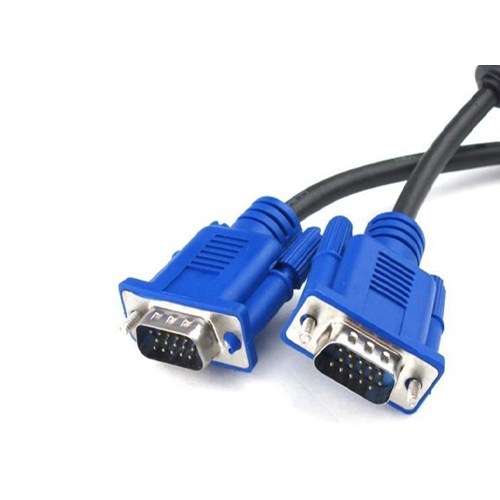
A VGA (Video Graphics Array) cable is a type of connector used primarily to transmit video signals between a computer or other VGA-compatible device and a monitor or display screen. Here are some key points about VGA cables:
- Connector Type: VGA cables typically have a DE-15 connector at both ends, which consists of 15 pins arranged in three rows.
- Usage: VGA cables were widely used in the past for connecting computers, laptops, and other devices to CRT monitors and early flat-panel displays. They transmit analog video signals.
- Resolution Support: VGA cables can support various resolutions up to a maximum of 2048×1536 pixels at 85 Hz refresh rate. However, their analog nature means they are susceptible to signal degradation over longer distances and may not support higher resolutions common in modern displays.
- Applications: While newer interfaces like HDMI, DisplayPort, and DVI have largely replaced VGA in newer devices due to their digital signal transmission and better support for higher resolutions, VGA is still found in some older equipment and is sometimes used with adapters to connect to newer displays.
- Compatibility: Many older computers, projectors, and displays still have VGA ports, making VGA cables useful for connecting legacy equipment.
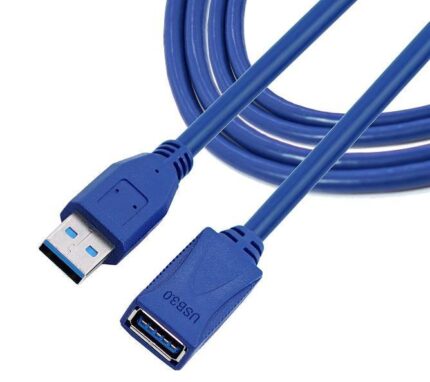
- Color Coding: VGA cables typically have blue connectors, although this is not standardized and colors may vary.
- Limitations: Due to its analog nature and the rise of digital display technologies, VGA cables are not suitable for transmitting high-definition video and audio signals, which newer digital standards like HDMI and DisplayPort excel in.


Reviews
There are no reviews yet.